






Most students are asked to choose what to study before they've seen what serious work actually looks like.
The Kruu Scholar Program exists to change that. It is a short, intensive experience where students work on real problems using research-driven methods which is guided by mentors who have spent decades doing this work professionally.
"It was something out of the bookish world. A very delightful experience that allowed us to indulge in the world of research and creativity."
Devansh Ray Chaudhuri · Delhi Public School, NerulNo grades. No prizes. No syllabus to memorise. Just the discipline of actual thinking by framing questions, weighing evidence and building something real.
Not a competition. Not a certificate course. A disciplined rehearsal space for the kind of thinking universities expect and schools rarely train.
The four-milestone architecture
Conceptual Grounding
Encounter real-world complexity. Formulate a scoped and investigable research question. Investigation cannot begin until inquiry is disciplined.
Structured Investigation
Document sources. Justify credibility. Acknowledge bias. Build a CEIL analytical draft: Claim → Evidence → Interpretation → Limitation.
Design & Synthesis
Translate evidence into a defensible solution. Trade-off evaluation. Stakeholder analysis. Analytical depth over aesthetic polish.
Reflection & Integration
Epistemic reconstruction is not a summary. Initial assumption. Evidence encountered. Cognitive shift. Remaining uncertainty. What comes next.
Six projects. Two tracks. One cohort.
Each project runs over four full weeks as it is mentored by a practitioner or professor who handles this professionally. Students pick the path that matches their grade and curiosity.
Mentored by Real Professionals
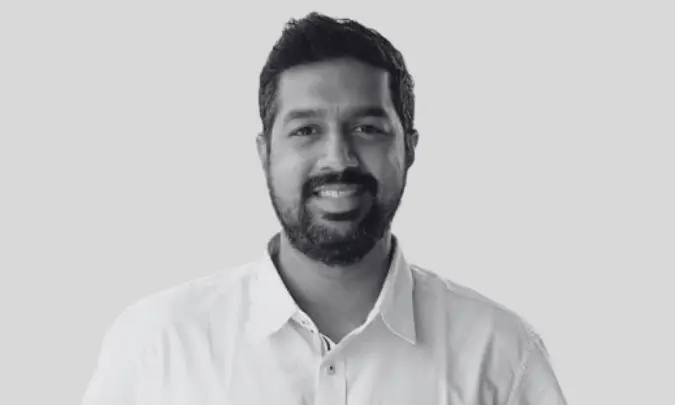
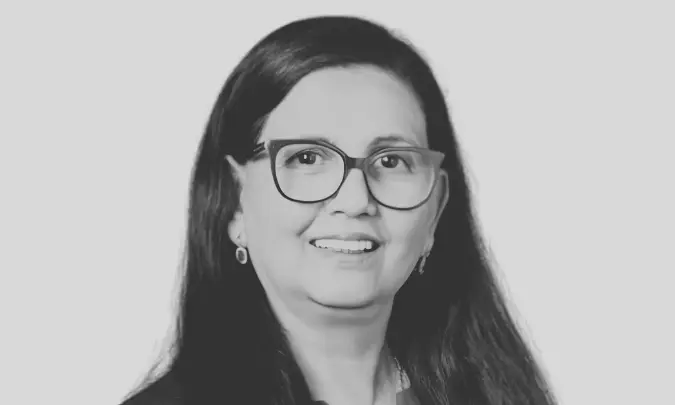
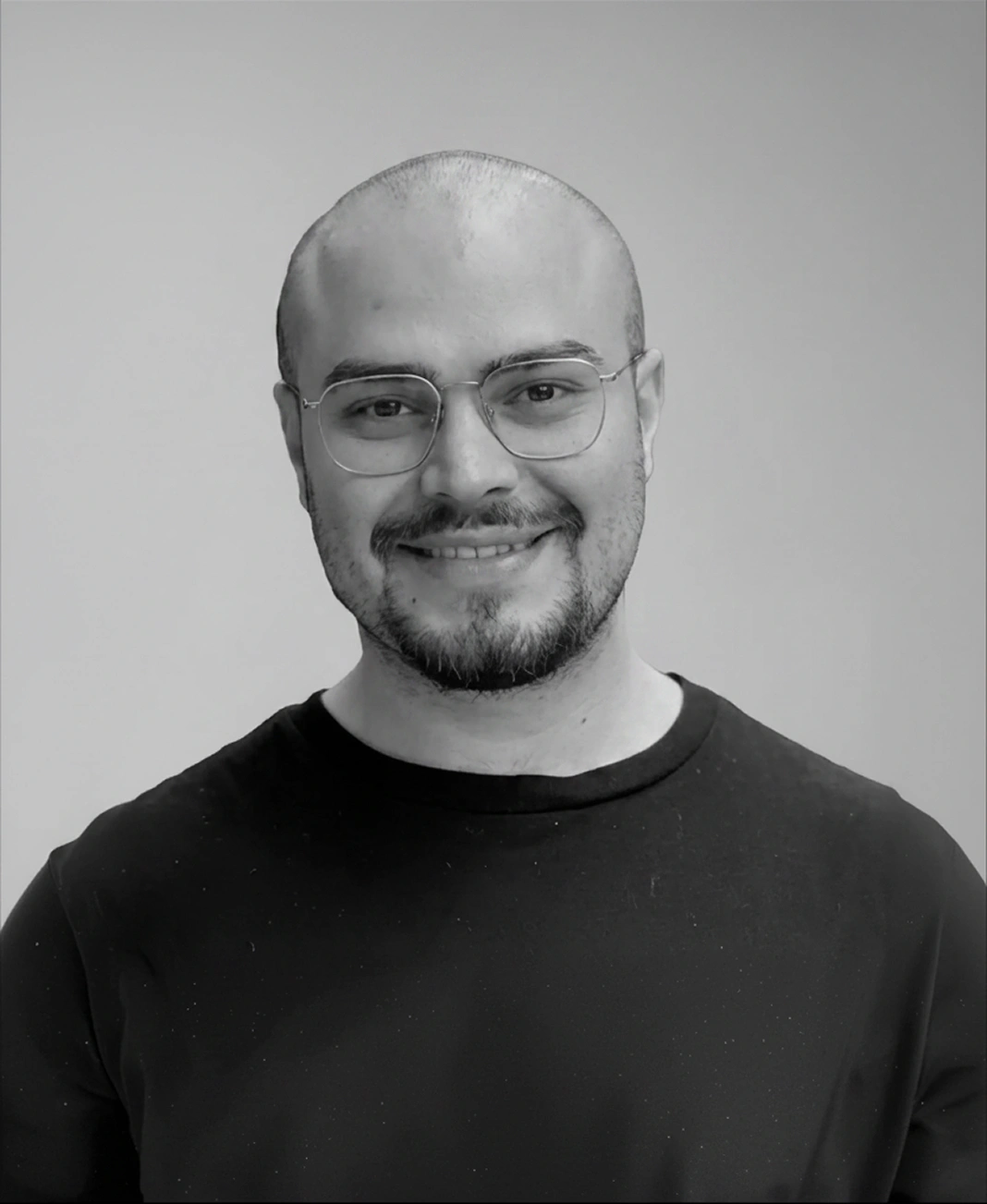
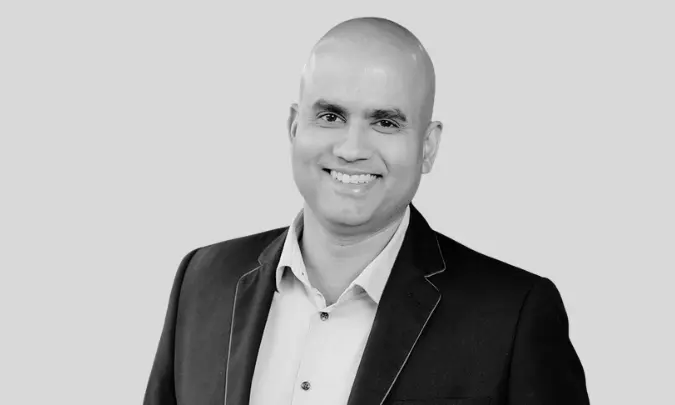
Six mentors across six disciplines of professors and practitioners from California, Sydney, Indiana, Hyderabad, Chennai and beyond. Not recorded lectures. Real engagement for the full four weeks.

From Brief to Real Showcase
Kick-off lectures on July 10, 11, 17 and 18. From there, students enter a structured four-week journey that avoids exams and grades which is focused entirely on intellectual depth and research-led problem solving.
No shortcuts. No templates. Every phase builds the epistemic foundation for the next.
Key Dates · July 2026
Foundation & Framing
Week 1 · July 10–16
Understanding the context, framing disciplined research questions and establishing the framework for exploration with expert kick- off lectures.Investigation cannot begin until inquiry is sharp.
Exploration & Iteration
Week 2 · July 17–23
Diving deep into solutions, building and testing hypotheses against real-world data and gathering feedback. Students document sources, justify credibility and acknowledge limitations honestly.
Synthesis & Deep Dive
Week 3 · July 24–30
Compiling findings, synthesising results using a clear research methodology and refining work with mentor guidance.Trade - off evaluation and stakeholder analysis are non- negotiable.
Final Presentation & Reflection
Week 4 · July 31 – Aug
Presenting completed work to mentors and peers. Epistemic reconstruction is not a summary.What assumption changed, what evidence shifted the thinking, what uncertainty remains and what comes next.
School Onboarding in Three Steps
Admission is based on intent and engagement but not on academic rank. Students must be nominated by their school. Cohort size is limited. Schools that have enrolled before consistently re-enrol.
School Nomination
Schools identify motivated students from Grades 6–12. We look for curiosity and intent but not grades or rank. One email to our team is all it takes to get started.
Student Application
Shortlisted students submit a short intent form describing what they want to investigate and why. No essays. No prior experience required. Just a genuine question they want to chase.
Final Selection & Showcase
Cohorts are finalised based on curiosity, intent and balance across the six projects. Completed projects are published to student portfolios and presented at the final showcase.
Designed to reinforce what IB, Cambridge & NEP 2020 already require
Kruu Scholars does not replace formal curricula. It strengthens the intellectual architecture those frameworks describe by providing the enforcement mechanism that policy aspiration alone cannot deliver.
IB Alignment
ATL Thinking & Research Skills · Internal Assessment structure · Academic Honesty standards · Approaches to Learning · Extended Essay preparation · Learner Profile development
Cambridge Alignment
Learner Attributes: Confident, Reflective, Innovative, Responsible, Engaged · Coursework inquiry structure · Evidence synthesis · Global Perspectives methodology
NEP 2020 Alignment
Experiential learning mandate · Competency-based education · Scientific temper · Critical thinking · Multidisciplinary integration · Problem-solving orientation · Holistic development
What School Leaders Say About Kruu
"Our school believes that students should be developed holistically and the school should provide ample opportunities to develop their personality. Platforms like Kruu make students think out of the box and challenge them. During the project, each student learns collaboration, communication, confidence and understanding others' perspectives by skills that lead to our core values of empathy and respect."
Dr. Harsha Alles
Chairman, The Gateway Group of Schools, Sri Lanka
"Kruu connects school students with industry and corporate experts, bridging the academic-professional divide. Its dynamic, engaging approach fosters critical thinking, communication and confidence by skills that go well beyond traditional academics and prepare students for the realities of the world beyond school."
Mr. Jacob
Principal, Olive International School
The proof is in the work.
A quick look at what students built in past cohorts — real projects, real names, real schools. View the full impact report →
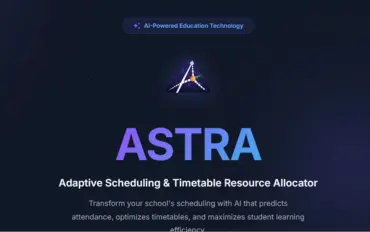
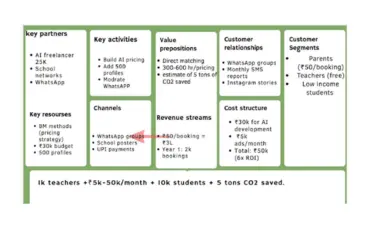
Earlier I would have argued based on personal opinion but in this project, I learned how to choose proper statistics, give them weightage and use a formula to support my answer with evidence.
Siva Virat Kanchustambham
Sancta Maria International School
GOAT LABI grew the most in being adaptable by letting go of an idea, if the data showed it didn't work. When the data showed my idea wasn't possible, I learned to say goodbye to it.
Vihaan Voshal Rajput
Bombay Scottish School, Powai
15 Min CityI loved how the project combined real-world observation with AI thinking. The structured steps guided me from identifying a problem all the way to building a full solution with ethics and impact analysis.
Megh Mehta
Past Cohort
AI for WasteBring Real Work to Your School
Join schools across India, Sri Lanka and Singapore delivering experiential learning that actually changes how students think. July cohort seats are limited.
Step 01
School Nomination
Schools identify motivated students from Grades 6–12. Curiosity matters more than grades or rank.
Step 02
Student Application
Shortlisted students submit a short intent form describing what they want to investigate and why.
Step 03
Final Selection
Cohorts are finalised based on curiosity, intent and balance across the six projects.
100% Scholarship · 4 Weeks · Grades 6–12 · Fully Online · Starting July 10, 2026