Students didn't learn about the world. They built systems to change it.
In just a few weeks, Kruu Scholars moved from observation to execution — designing AI systems, sustainability solutions, and real-world interventions with the depth of early-stage professionals.
Most students are taught how the world works.
These students questioned it, broke it down, and rebuilt it.
The Kruu Experiential Scholars Program exists to change that. Over three weeks, students from six schools worked on real-world problems using research-driven methods, guided by practitioners who've spent decades doing this work professionally.
No grades. No prizes. No syllabus to memorise. Just the discipline of actual thinking — framing questions, weighing evidence, building something real.
Students don't need more instruction.
They need real problems.
Domains of Work
Scholars did not work on isolated assignments. They operated across real-world domains — combining research, systems thinking, and execution.
Students designed intelligent systems that respond to real-world inefficiencies — from energy optimisation to predictive modelling.
Students explored large-scale societal challenges, building solutions grounded in behaviour, data, and feasibility.
Students studied how information, identity, and culture evolve — creating structured approaches to preservation and storytelling.
Schools that participated in Cohort 1
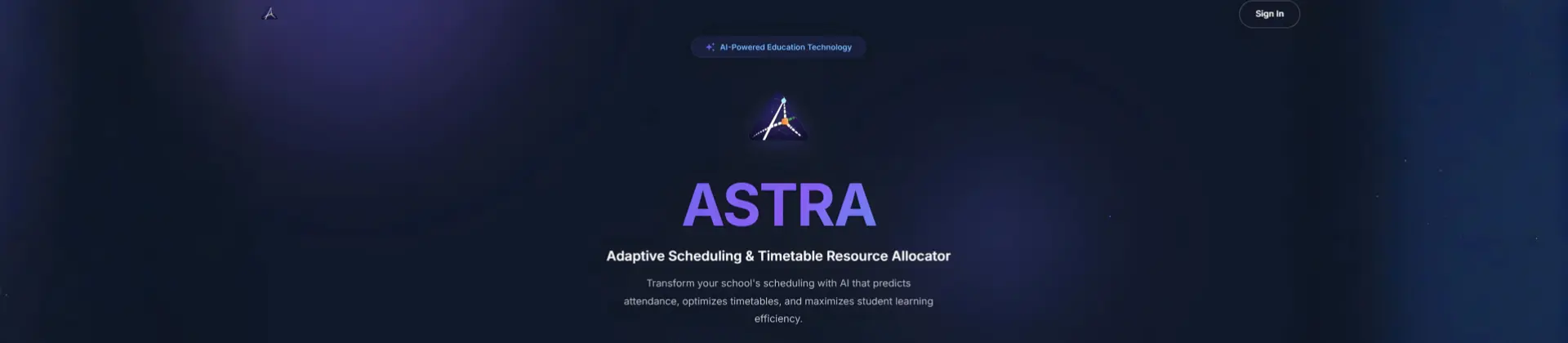
Flagship · DPS Navi Mumbai
ASTRA — A student-built AI system that rethinks how schools operate.
Schools run identical timetables regardless of attendance, cognitive load, or energy conditions. The result is systemic waste — invisible because no one is measuring it.
By analysing attendance patterns, cognitive load, and infrastructure usage, ASTRA dynamically redesigns school timetables — reducing energy waste while improving learning outcomes.
Multi-variable optimisation, predictive modelling, and real-world constraints — applied simultaneously. The kind of system typically explored in university-level research.
Built by a high school student. A proof that rigorous systems thinking is not gatekept by age or institution.
"I started by mapping every empty classroom in our school across one week. The data was worse than I thought. Then I realised — the schedule itself was the problem, not the students."
Nalin Aggarwal · Grade 11 · DPS Navi Mumbai
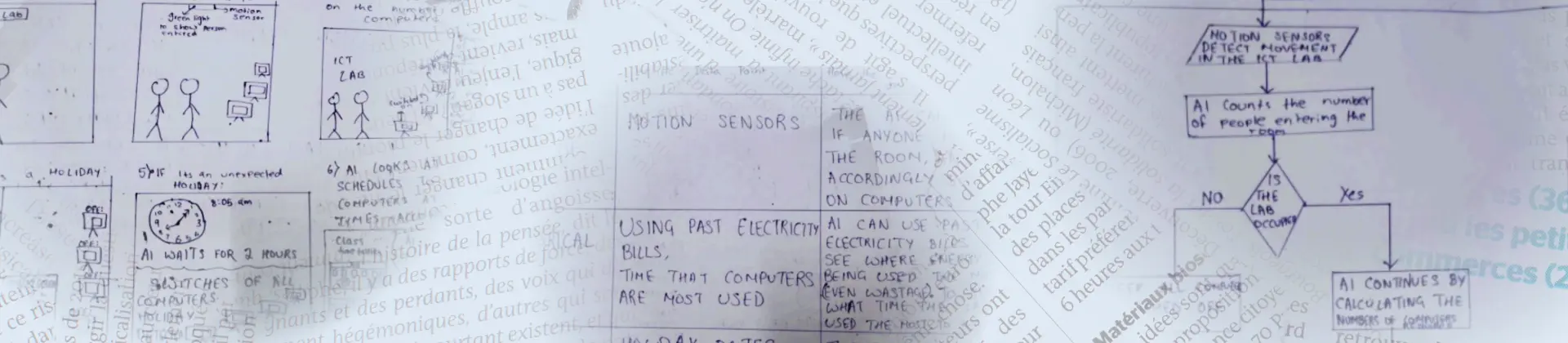
Flagship · Don Bosco International School
CompSave — An intelligent system designed to reduce energy waste in computer labs.
School ICT labs leave computers running for hours between classes. Manual shutdown policies are inconsistent. Energy consumption continues with zero productive output.
Usage behaviour is predictable. If a system can analyse patterns and anticipate idle periods, it can automate efficiency decisions before waste occurs — not after.
An intelligent system that analyses usage behaviour and automates efficiency decisions — privacy-conscious, easy to deploy, designed for school administrators, not engineers.
A feasible, school-wide deployment model. The mentor noted this was one of the most implementation-ready solutions in the entire cohort.
"People throw away laptops for one broken component. I wanted to know — what if we could map exactly what's repairable, and connect users to technicians who can fix it?"
Aditya Acharya · Grade 11 · Don Bosco International School
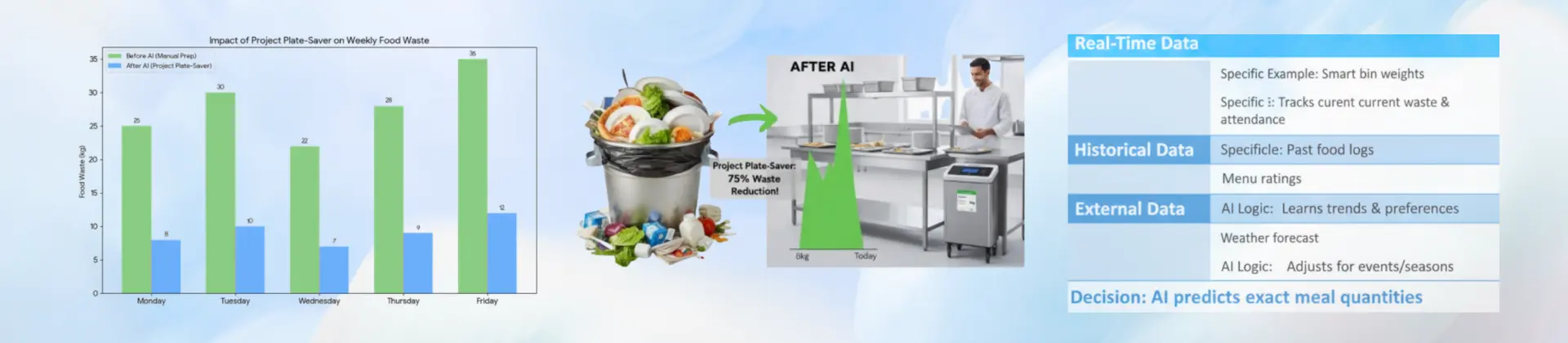
Flagship · Don Bosco International School
Plate Saver — A data-driven approach to reducing food waste in schools.
School cafeterias prepare food based on fixed assumptions. Attendance varies. Appetite shifts. The result is systematic overproduction — treated as a cost of operations rather than a solvable problem.
Food waste is a prediction problem. Consumption patterns align with attendance data, weather, and menu history. Aligning preparation with actual demand requires a system, not guesswork.
Plate Saver predicts consumption patterns by combining attendance data, menu history, and weather signals — generating daily production recommendations 40% more accurate than current practice.
Transformed food waste from a behavioural assumption into a data problem — with measurable reduction pathways applicable to any school cafeteria at scale.
"I walked into the canteen at the end of lunch. The amount of food going into the bin — untouched — was embarrassing. I thought: this is a data problem. We already know who's coming. We just don't use the information."
Arnav Nair · Grade 11 · Don Bosco International School
This is not a program about potential.
This is proof.
Who They Learned From
Scholars worked closely with practitioners, not just instructors — learning how real-world problems are approached, structured, and solved.


What They Built
Every project began with observation and ended with structured thinking.
These are not ideas. These are systems designed with intent, constraints, and real-world relevance.
Every scholar. Every project. Every internship.
All 10 Heartfulness scholars completed their projects and secured industry internships with Excelerate — the first school in the cohort to achieve 100% placement.
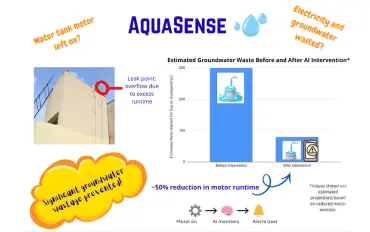
Non-intrusive sensors detect prolonged motor runtime and predict overflow risks — addressing water conservation, electricity savings, and pump longevity together.
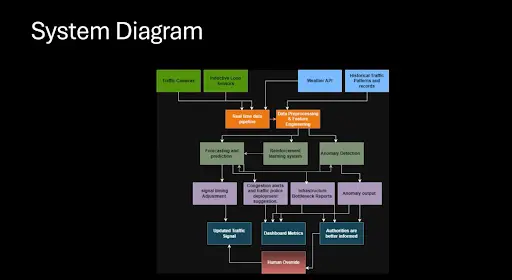
An AI-powered system that optimizes traffic signal timings in real time to reduce congestion and improve flow in Chennai.
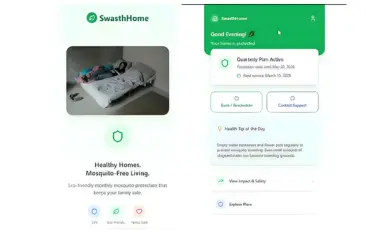
A preventive mosquito-control subscription — 'healthcare for the home'. Built a live platform for booking, rescheduling, and impact tracking.
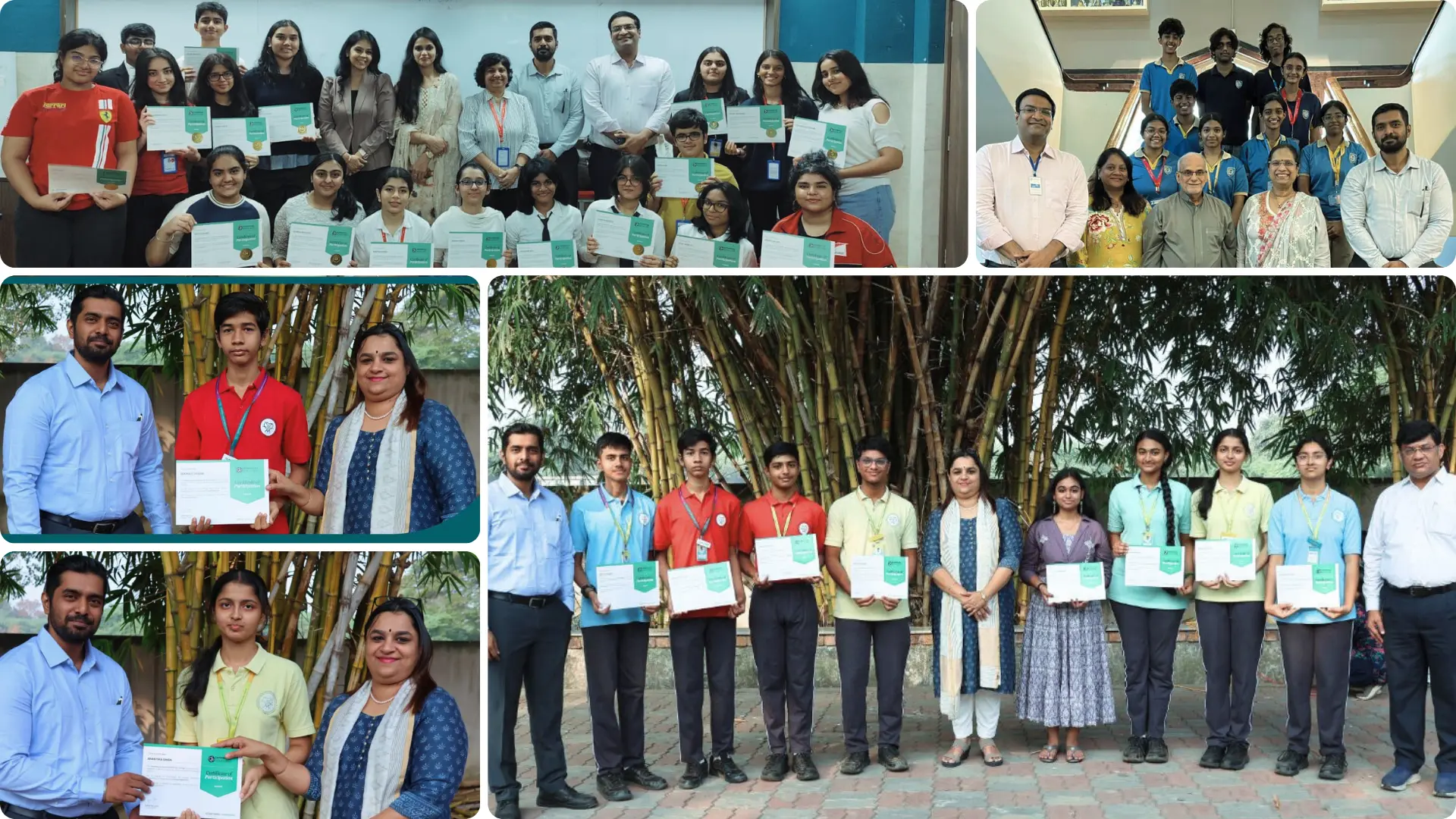
Inside the Cohort
Moments from a program where students moved beyond passive learning into active creation, collaboration, and exploration.
What Changed
High confidence in research, problem-solving, and execution. Not interest — direction.
Ability to translate ideas into structured systems — demonstrated through full placement.
Readiness for college-level thinking and beyond. The highest project count of any school.
Not started. Not submitted. Completed — with stakeholder validation and structured thinking.
Actual practitioner time, per student, over three weeks. Not recorded lectures.
AI & Systems Thinking. Social Impact. Digital & Cultural Systems. Each with a real-world brief.
In Their Words
I stopped thinking about marks. I started thinking about systems.
For the first time, I felt like I was building something real.
The moment I realised the problem wasn't the canteen — it was the scheduling — everything changed. I had to go back to the beginning. That was the best part.
I kept waiting for someone to tell me what to do. They never did. By week two I realised that was the whole point.
My mentor didn't just tell me I was wrong. He showed me exactly why my assumptions didn't hold. That's a different kind of learning.
I submitted the project and thought — I could actually build this. Not someday. Now. I know what the next steps are.
This experience gave me great exposure to real world problem solving and pushed me to think more creatively about how business ideas can create actual social impact.
I really liked how this project made us apply AI to a real-life problem instead of just learning theory. It helped me understand how data and decision-making systems actually work in practical situations.
I liked how the program guided us step-by-step through identifying real community problems and creating practical business solutions.
I really liked how this project pushed me to observe real-life systems and think critically about where waste actually occurs.
The project felt practical and relevant since it solved a real problem in our school.
I loved the process of learning and being able to apply concepts in a practical way.
The Kruu Research Program proved very helpful in making me understand the importance of AI for reducing waste in everyday systems through highly interactive mentor sessions.
I was really excited when I attended the first session and I was really intrigued. I did the project by my own personal experience so I have this emotional connection with the submission.
It was a great experience overall. Being able to start thinking about the community and learn how to properly ideate a business model is a very useful skill.
The project helped me dig deeper into my interests and understand concepts better.
I liked how the resources provided were user-friendly and easy to understand. The alternative approach made the process quite enjoyable.
It was an excellent project. I learned new concepts I hadn't encountered before, explored fresh ideas, and gained a much deeper understanding of topics that matter to me.
I stopped thinking about marks. I started thinking about systems.
For the first time, I felt like I was building something real.
The moment I realised the problem wasn't the canteen — it was the scheduling — everything changed. I had to go back to the beginning. That was the best part.
I kept waiting for someone to tell me what to do. They never did. By week two I realised that was the whole point.
My mentor didn't just tell me I was wrong. He showed me exactly why my assumptions didn't hold. That's a different kind of learning.
I submitted the project and thought — I could actually build this. Not someday. Now. I know what the next steps are.
This experience gave me great exposure to real world problem solving and pushed me to think more creatively about how business ideas can create actual social impact.
I really liked how this project made us apply AI to a real-life problem instead of just learning theory. It helped me understand how data and decision-making systems actually work in practical situations.
I liked how the program guided us step-by-step through identifying real community problems and creating practical business solutions.
I really liked how this project pushed me to observe real-life systems and think critically about where waste actually occurs.
The project felt practical and relevant since it solved a real problem in our school.
I loved the process of learning and being able to apply concepts in a practical way.
The Kruu Research Program proved very helpful in making me understand the importance of AI for reducing waste in everyday systems through highly interactive mentor sessions.
I was really excited when I attended the first session and I was really intrigued. I did the project by my own personal experience so I have this emotional connection with the submission.
It was a great experience overall. Being able to start thinking about the community and learn how to properly ideate a business model is a very useful skill.
The project helped me dig deeper into my interests and understand concepts better.
I liked how the resources provided were user-friendly and easy to understand. The alternative approach made the process quite enjoyable.
It was an excellent project. I learned new concepts I hadn't encountered before, explored fresh ideas, and gained a much deeper understanding of topics that matter to me.
This is not where learning is going.
This is where it has already arrived.
This is not a program.
This is how students should learn.
Kruu Scholars is building a new standard for what high school education can look like.
"The rigor of what these students produced was not what I expected from high school. The thinking was serious. The problems were real. The work was done."