They didn’t just study how the world works.They worked on real problems.
In seven weeks, 1,174 scholars across 62 schools moved from theory to practice. They built and tested rocket launchers, explored AI solutions for local businesses, built financial models for their own startups, investigated issues within their schools, audited public health gaps and developed five-year energy plans for real nations.
The work was demanding by design. Students had to research, test, question, make decisions, work with evidence and respond when things did not go as expected.
The point was not simply to complete a project. It was to do the work properly.
Six projects. Six problems without easy answers.
Every scholar worked on one of six real-world projects, each led by a university faculty member.
These were not exercises with an answer waiting at the end. Students had to investigate the problem, work with evidence, make decisions and build something that could stand up to scrutiny.
The six projects covered engineering, AI, entrepreneurship, journalism, public health and energy policy.
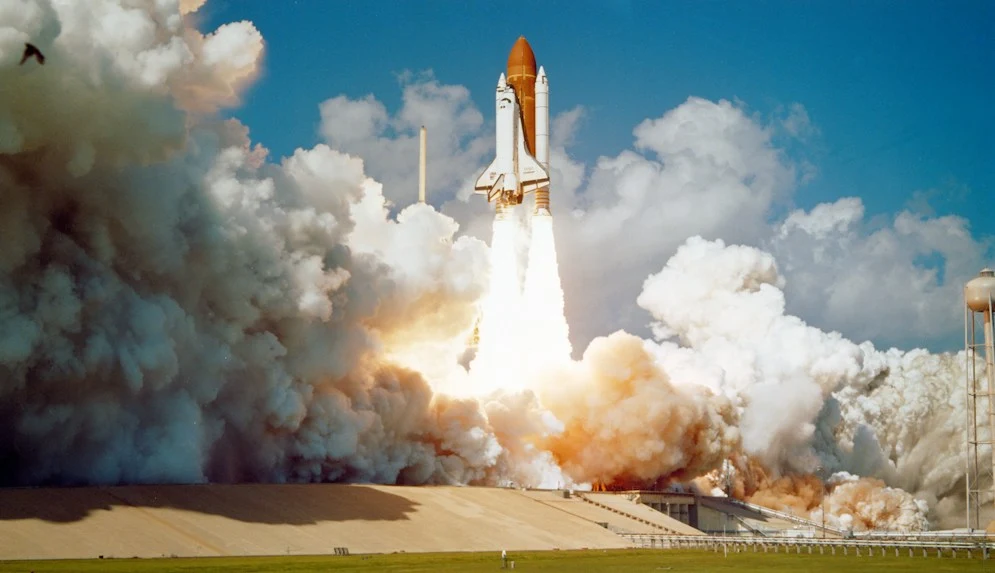
The Rocket Challenge: Build, Test, Fly
1687. Newton says his laws can predict exactly how far any projectile will fly. Hooke says real materials, real air resistance and real error will always wreck the theory. Settling the 300-year-old wager took an actual launcher, real trial data, and someone willing to record what really happened.
368
Enrolled
301
Completed
82%
Completion
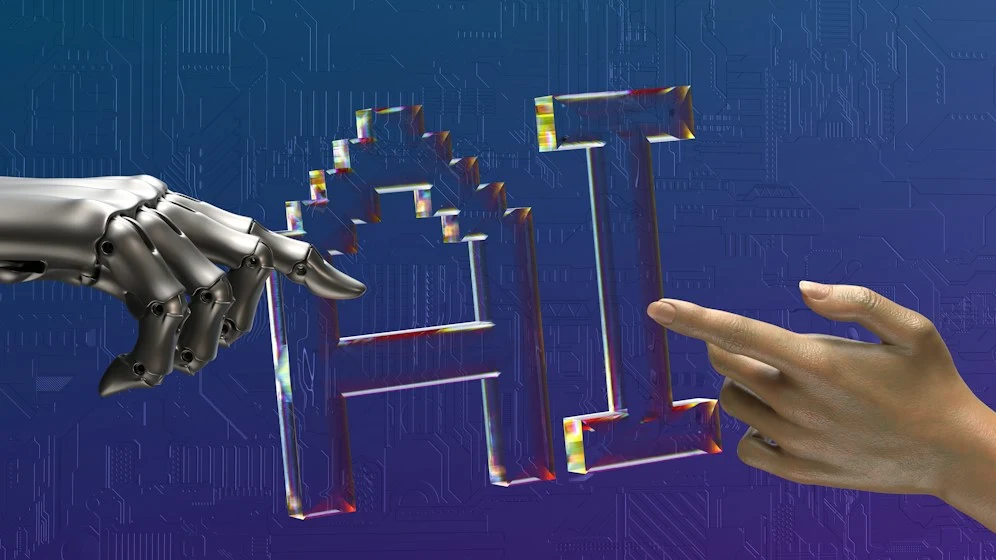
Future-Proof: AI Business Upgrade
A canteen that runs out of food by 11am. A pharmacy manually tracking expiry dates on paper. Scholars found one real local business with one real problem, and pitched an AI fix that had to keep the business's human touch intact — not replace it.
287
Enrolled
208
Completed
72%
Completion

Funded: The Venture Capital Challenge
A beautiful pitch deck and no answer when an investor asked what it costs her to win one customer. Every scholar built the business with a financial model airtight enough to survive that question.
143
Enrolled
107
Completed
75%
Completion

Investigative Impact: The Power of Local Reporting
Three tips land on your desk. A student blames academic stress, a teacher says support systems are underused, another says some clubs get all the resources. All three sound convincing. Scholars became the reporter whose job is to find out which one is actually true.
138
Enrolled
119
Completed
86%
Completion
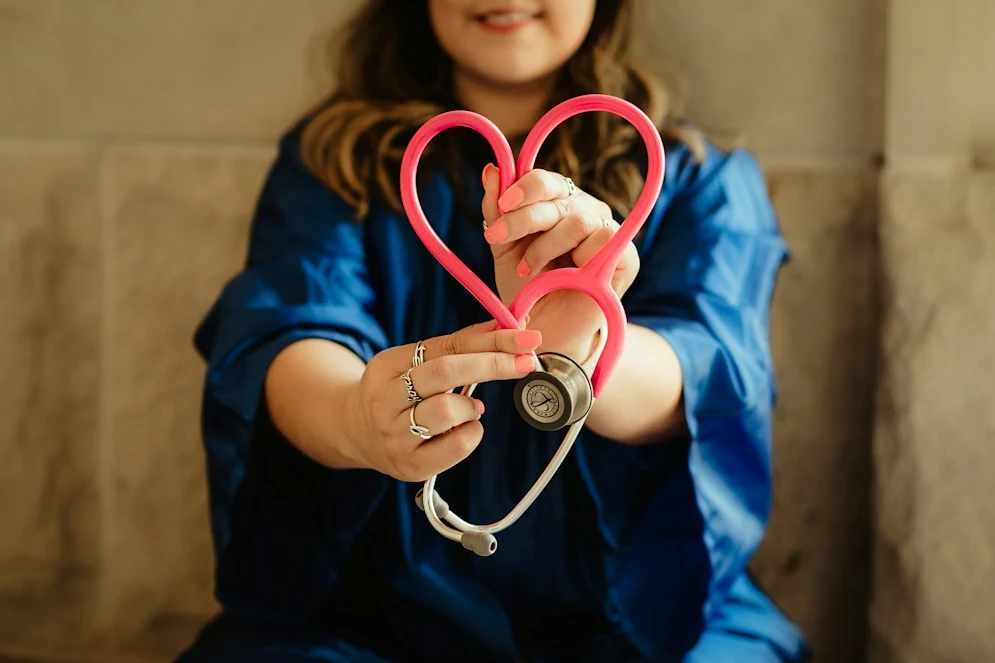
The Community Pulse: The Public Health Audit
Every neighbourhood is quietly rationing healthcare — a crowded clinic here, a family travelling for treatment there. Scholars stepped in as community health auditors, comparing what their area actually needs against what it actually has.
125
Enrolled
108
Completed
86%
Completion
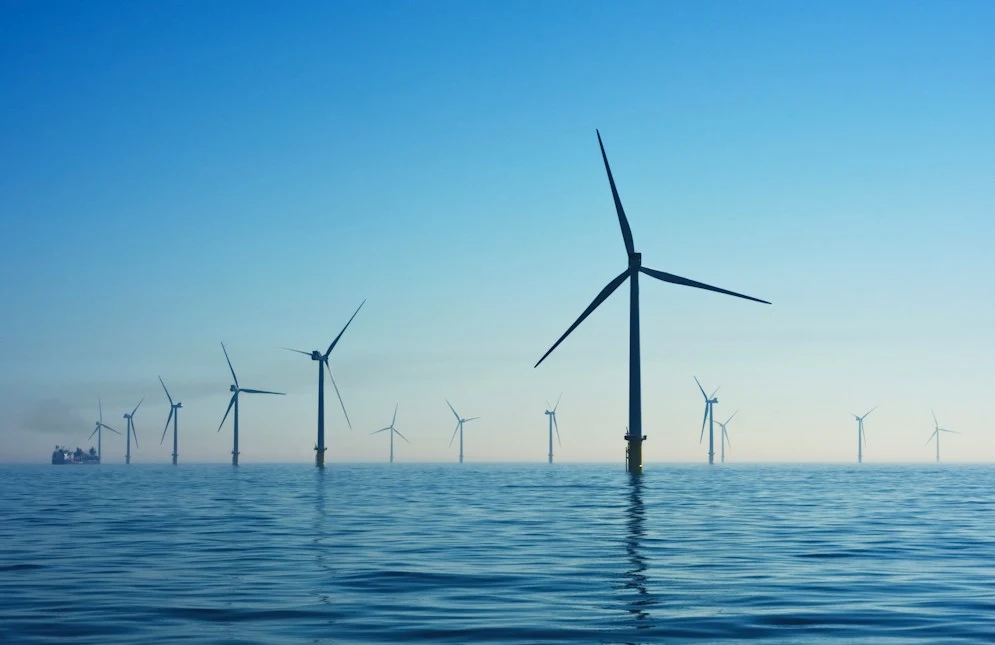
The Energy Chessboard: A Policy Simulation
A country can't just switch off oil overnight without risking jobs, prices and its own politics. Scholars became policy advisors to a real developing nation, drafting a five-year energy plan built to survive contact with reality.
113
Enrolled
99
Completed
88%
Completion
What changes when students work on a real problem
One scholar from each project. One piece of work or reflection that shows what happened when the problem was no longer hypothetical.
The stories below are drawn from students' final reflections and project work.
My biggest strength that this project confirmed is analytical resilience — the ability to systematically solve problems when real-world results don't match expectations.
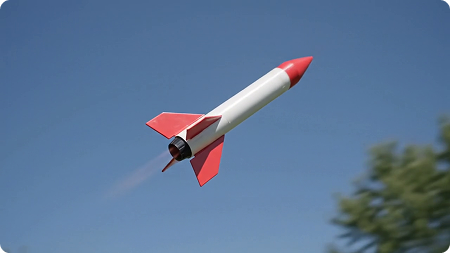
When his launch distances kept coming back inconsistent, he traced it to his own release technique, added a fixed reference mark, and turned chaotic trials into clean, usable data.
Ayush Aggarwal
Grade 8 · MVN School, Sector 17
I analysed the actual trade offs… I was able to prove that the project delivers a net monthly saving of ₹20,000+ and pays for itself within the very first week.
He didn't pitch a feature. He pitched a real support-automation tool to a real business, and made the case in rupees, not slogans.
Avanish Goyal
Grade 9 · N.L. Dalmia High School
I redesigned my idea from creating another welfare initiative to building SaathConnect — a platform that connects underserved families to existing services through door to door outreach and accountable follow-up.
He didn't just pitch a business. He worked out why every well-meaning welfare scheme before his kept missing the people who needed it.
Kartikey Gupta
Grade 12 · N.L. Dalmia High School
I organised the student responses and found that 19 out of 28 students, or 68%, said that classroom heat made it harder for them to concentrate.
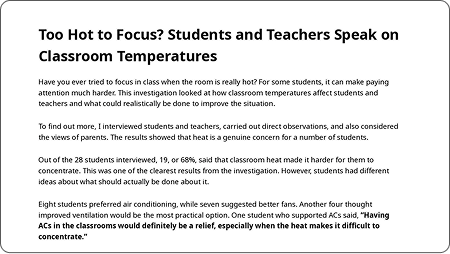
Conflicting tips landed on his desk. He didn't pick a side — he went and got the evidence, then let it speak.
Bhuvan Tripathi
Grade 8 · DPS Hyderabad
"Isolated. Not Helpless." — that tagline transformed a frightening situation into an empowering action plan that gives stranded communities immediate hope and control.
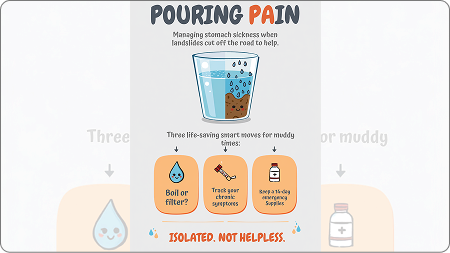
She stripped a medical disaster protocol down to three steps a stranded family could actually use in a crisis.
Apurva
Grade 8 · Avasara Academy
I mapped out how Thailand's new power purchase agreements change the financial incentives for private developers, and how it requires utility scale batteries to manage the shifting power flows.
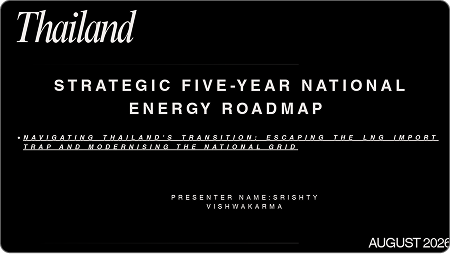
She advised a country, not a case study — tracing how a law made thousands of miles away reshapes the load on one transformer station.
Srishty Vishwakarma
Grade 9 · Avasara Academy
What students say they developed.
After completing their projects, scholars reflected on 25 sub-skills across six domains.
944 of 1,174 scholars completed the self-assessment. The eight capabilities below were the ones they reported developing most often.
87.4%
Drew evidence-based conclusions
83.7%
Defined the problem clearly
83.5%
Managed time & deadlines
82.8%
Listened actively in a team
79.0%
Turned an idea into a real deliverable
76.8%
Generated multiple possible solutions
73.5%
Communicated findings clearly
70.9%
Stayed on track without being told to
What the project work showed.
Self-reflection tells us how students see their own development. The cognitive diagnostic adds another view, using their project work to assess eight cognitive dimensions.
So far, 652 of 1,174 scholars across 57 schools have a completed rating.
Adaptive Agency
Systems Thinking
Identity Exploration
Inquiry & Curiosity
Social Intelligence
Evidence Discipline
Creative Expression
Reflective Thinking
What students noticed about their own learning.
“My biggest strength is curiosity and willingness to try things on my own… I can learn better when I actually do experiment things.”
Kaustubh Mishra
Grade 6 · Credo World School, Dhanbad · Rocket Challenge
“Working with sensors and code made me understand the system — input, output, and what can be a bottleneck.”
Atharv Prashant Dale
Grade 9 · Mahatma International School, New Panvel · AI Business Upgrade
“The biggest strength that this project helped me discover were my communication skills.”
Rishita Raheja
Grade 7 · CMS Gomtinagar I · Investigative Impact
“I focused on making it portable, aesthetically appealing, and convenient enough that people would actually carry it with them.”
Mishca Shah
Grade 11 · Prabhavati Padamshi Soni International Junior College · VC Challenge
How students experienced the programme.
After every project, Kruu asks scholars about their experience.
For this cohort, 924 verified responses were received and matched student-by-student against the cohort roster, covering all six projects and 59 schools.
Cohort-wide
924 responses, 59 schools
Every figure below is matched to a real scholar in this cohort — no other project or period mixed in.
4.55
overall experience score / 5
98.7%
said they learned something new
95.5%
would recommend it to a friend
Investigative Impact
Score / 5
4.69
Recommend
96%
n = 117
The Community Pulse
Score / 5
4.65
Recommend
98%
n = 109
The Rocket Challenge
Score / 5
4.53
Recommend
93%
n = 294
AI Business Upgrade
Score / 5
4.53
Recommend
93%
n = 198
Funded: VC Challenge
Score / 5
4.48
Recommend
99%
n = 107
The Energy Chessboard
Score / 5
4.44
Recommend
99%
n = 99
Who they learned from
Every project this cohort was led by a named university faculty member, alongside daily support from Kruu's PG and PhD mentor network.
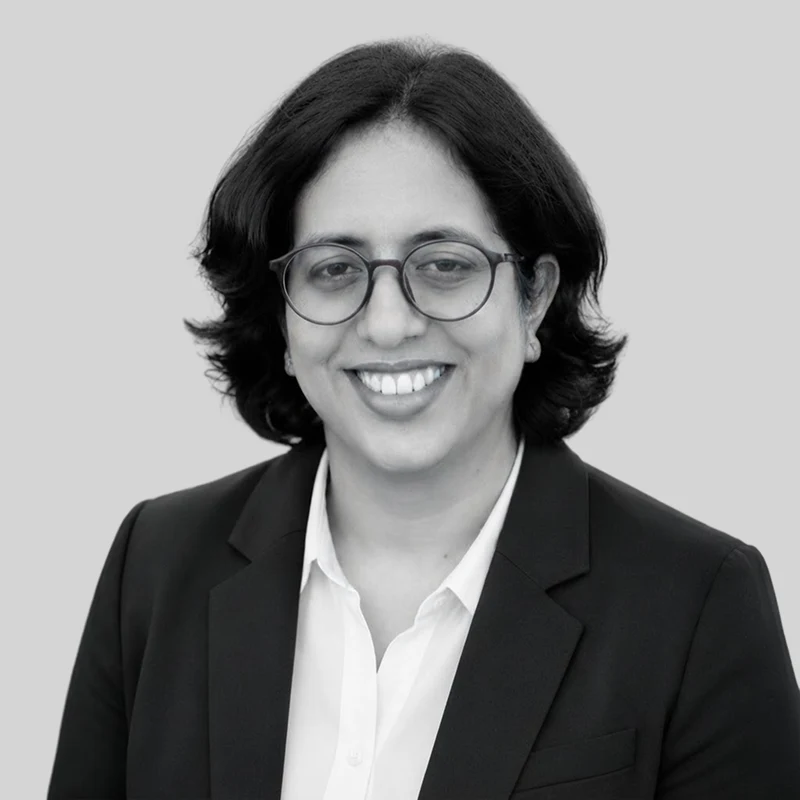
Rocket Challenge
Garima Soharu Bhandari
California State University, Sacramento
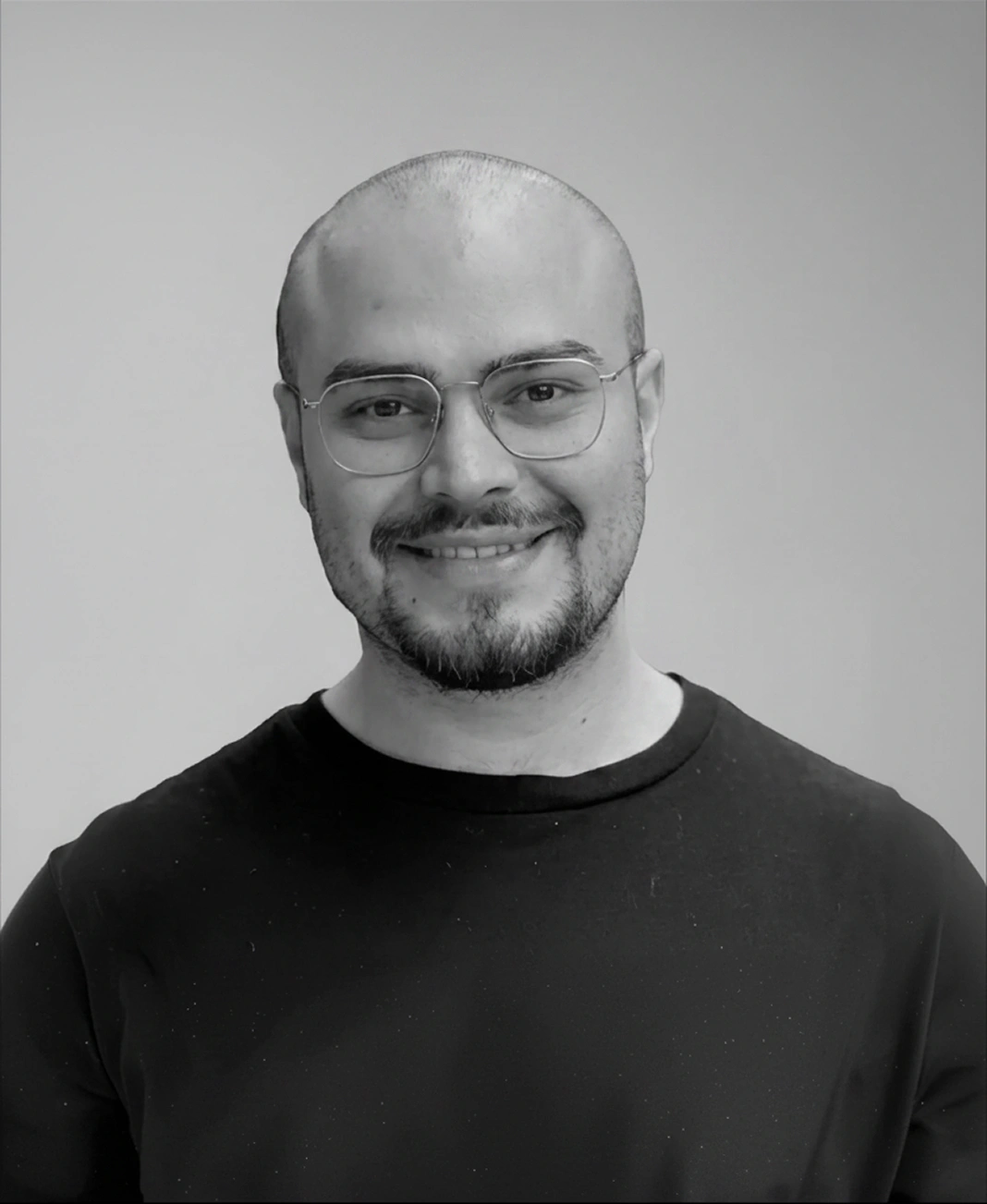
AI Business Upgrade
Burak Çıvıtcioğlu
aivancity School of AI & Data
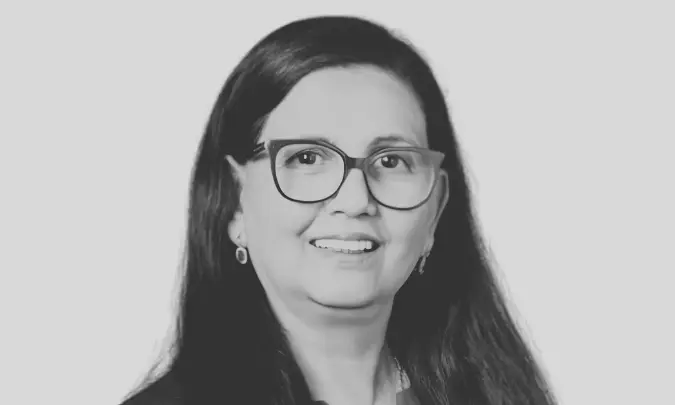
Investigative Impact
Dr. Asha Chand
Western Sydney University
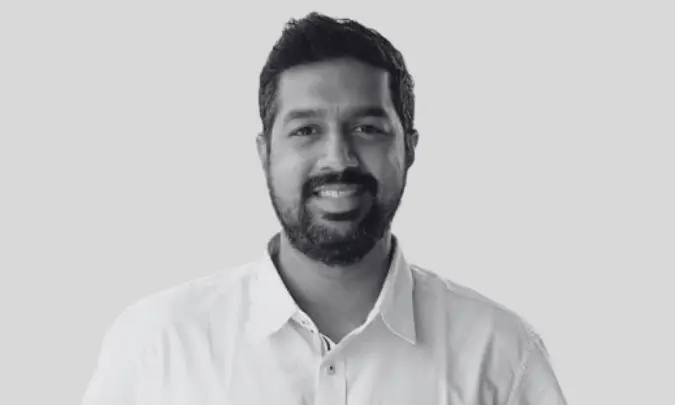
Community Pulse
Arjun Rangarajan
Noora Health

VC Challenge
Prof. Gerry Hays
Indiana University
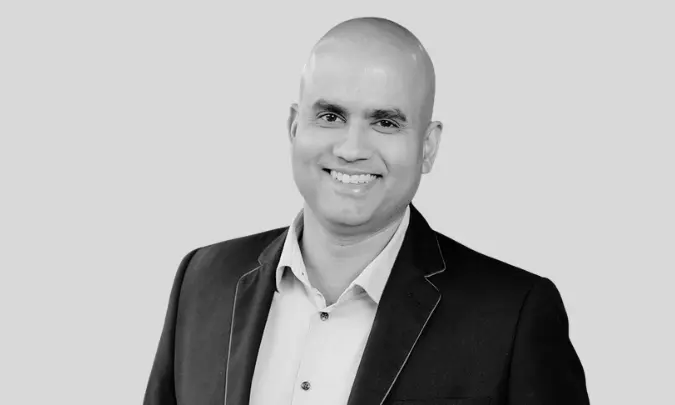
Energy Chessboard
Prof. Lurion De Mello
Macquarie University
The work was real. So was the learning.
Across seven weeks, 1,174 scholars researched, tested, built, questioned, presented and improved their work.
They did not just learn about real-world problems.
They worked on them.
Kruu Scholars Programme · July–August 2026 Cohort