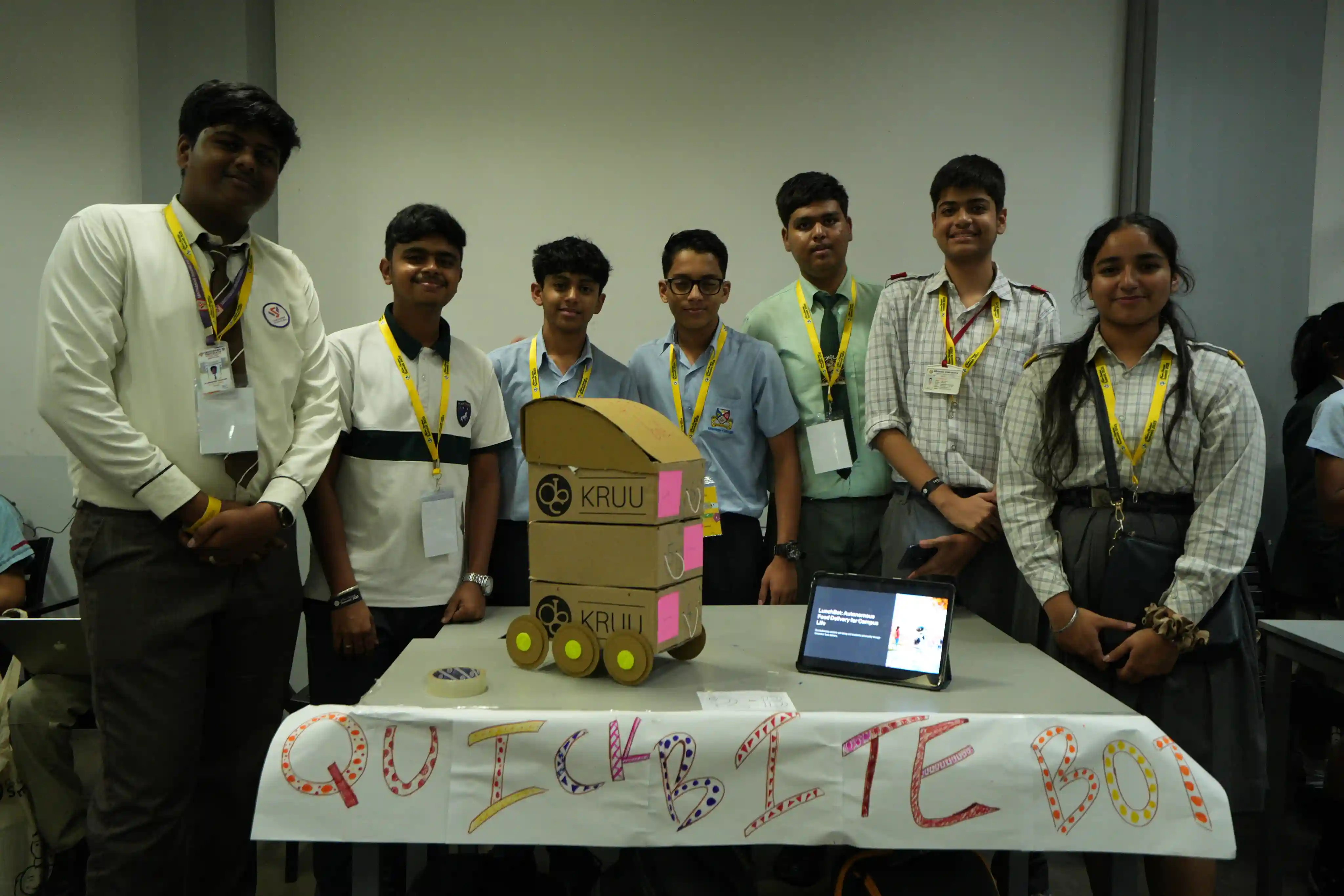

Why Project-Based Learning
Is Everything at Kruu
Preparing students for the future takes more than academic knowledge. It requires opportunities to think independently, investigate meaningful questions, collaborate, solve real-world problems and apply learning with purpose.
Investigate authentic challenges
Students learn best when they explore real problems that connect classroom learning with the world around them.
Follow the Four-Milestone Model
Every project follows a structured learning journey that helps students investigate, create and reflect with confidence.
Build competencies frameworks demand
Students develop the competencies encouraged by IB, Cambridge and NEP 2020, preparing them for higher education, future careers and lifelong learning.
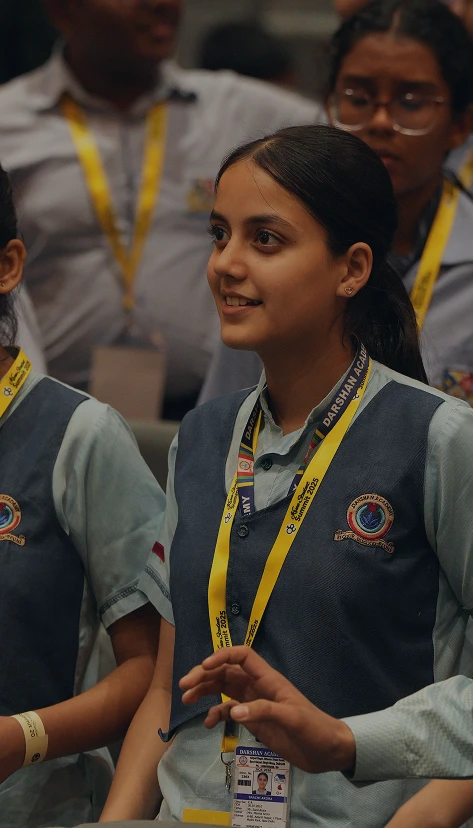
The Competency Gap
Traditional Schooling Creates
Strong academic foundations are essential but students also benefit from opportunities to investigate meaningful questions, evaluate evidence and apply their learning in authentic contexts. As a result, a student may excel in examinations yet still find it challenging to solve an unfamiliar problem—not because they lack ability but because these competencies develop through practice and experience.
The difference is simple:
Procedural competence
Following known steps to reach a known answer.
Intellectual competence
Exploring an unfamiliar problem and developing a well-reasoned solution.
Through authentic challenges, students apply their learning, investigate new ideas and strengthen these competencies through meaningful experiences.
Every Project Follows
The Four-Milestone Model
Every Kruu project passes through four enforced cognitive stages — in sequence, each unlocked only after the previous is validated by a mentor.
Conceptual grounding
Form a scoped, researchable question from a genuine epistemic tension
Structured investigation
Evaluate evidence using the CEIL framework: Claim, Evidence, Interpretation and Limitation
Design & synthesis
Build an evidence-informed position that addresses counter-arguments and trade-offs.
Reflection & integration
Reconstruct how understanding changed, not what was done but how thinking shifted.
Project-Based Learning vs “Doing a Project”:
A Critical Distinction
The most common source of confusion about PBL is the assumption that any project is a PBL project. It isn't — the distinction is not cosmetic, it's structural.
Five Competency
Domains
Kruu assesses how students think, not what they study. Every project develops five core intellectual competencies: same capacities IB, Cambridge and NEP 2020 all require.
Frequently Asked
Questions
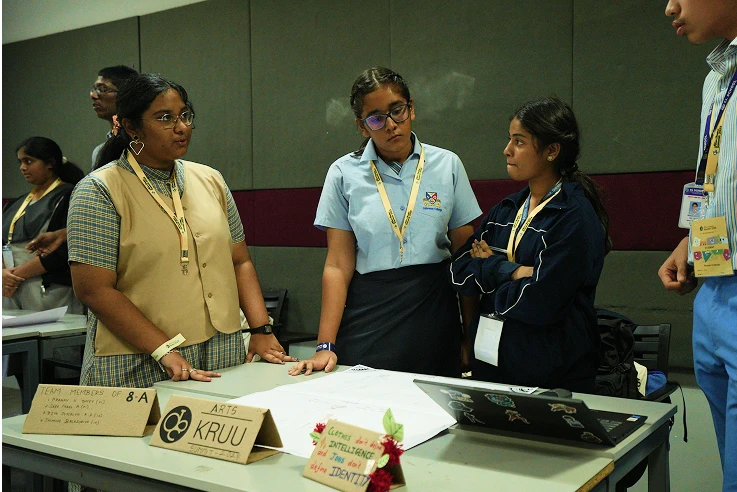
Education is not about preparing students to answer every question. It's about preparing them to ask better questions, solve meaningful problems and create a future they can shape. That's the promise of Project-Based Learning and the purpose of Kruu.